

For every hero in Warcraft, there’s a shadow cast by their choices. From Arthas’s fall to Sylvanas’s crusade, Blizzard’s best stories thrive in the space between good and evil. Moral ambiguity doesn’t weaken Warcraft’s universe—it defines it. The world feels real because its heroes are flawed, and its villains believe they’re right.
This article explores how moral complexity elevates Warcraft’s storytelling, creating empathy, conflict, and the emotional resonance that has sustained the saga for twenty years.
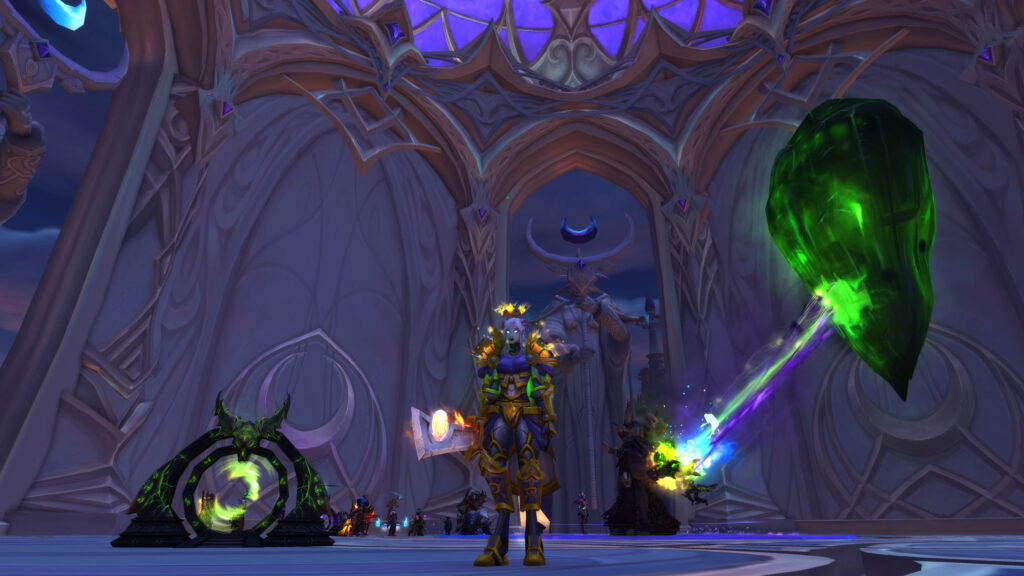
The Foundation of Warcraft’s Moral Complexity
Warcraft’s earliest stories already blurred the line between righteousness and ruin. The Orcish Horde wasn’t born from pure malice—it was manipulated, enslaved by demonic corruption, and later fought for freedom. The Alliance, while noble, committed its own sins through prejudice, conquest, and arrogance.
This duality became Warcraft’s greatest strength: every side believes it’s justified. Conflict isn’t just external—it’s philosophical. The player becomes part of that moral tension, choosing allegiance not between good and evil, but between competing visions of survival.
Heroes, Villains, and the Gray Between
The most memorable Warcraft characters aren’t paragons of virtue or symbols of corruption—they’re those caught in between. Illidan’s defiance, Sylvanas’s vengeance, and Jaina’s transformation from diplomat to war mage all exemplify complex morality. They act with conviction, even when their methods repulse others.
This ambiguity humanizes the mythic scale of Warcraft. Players see reflections of real-world dilemmas: sacrifice versus mercy, justice versus obsession, redemption versus punishment. These characters endure because they evolve through contradiction.
Case Studies in Ambiguity
Below are key figures whose arcs embody Warcraft’s morally complex storytelling:
| Character | Conflict | Moral Interpretation |
|---|---|---|
| Arthas Menethil | Sacrificed morality to save his people | Heroism turned obsession; good intentions paving damnation |
| Sylvanas Windrunner | Fought for freedom, then sought control | Victim turned oppressor; tragedy of unchecked will |
| Illidan Stormrage | Defied gods and kin for power | Anti-hero whose rebellion saved the world |
| Jaina Proudmoore | Struggled between peace and vengeance | Evolution from idealist to realist without losing compassion |
| Thrall | Balanced honor and compromise | Symbol of flawed leadership striving for harmony |
These figures demonstrate that moral uncertainty is not weakness—it’s what makes their stories enduringly human.
The Role of the Player in Shaping Morality
Players, too, inhabit the gray zones of Warcraft’s morality. Quest design often places them in ethical crossroads: save one village or risk the continent; obey your faction or defy unjust orders. These moments don’t dictate morality—they invite reflection.
By involving players in moral decisions, Blizzard transforms lore into participatory storytelling. The choices may not alter canon, but they shape perception, allowing each adventurer to find their own truth within the chaos.
Why Ambiguity Strengthens Storytelling
Stories rooted in moral uncertainty engage audiences more deeply because they challenge expectation. When a villain’s motives make sense, or a hero’s actions spark doubt, the narrative transcends simplicity. It becomes relatable, provoking discussion rather than blind allegiance.
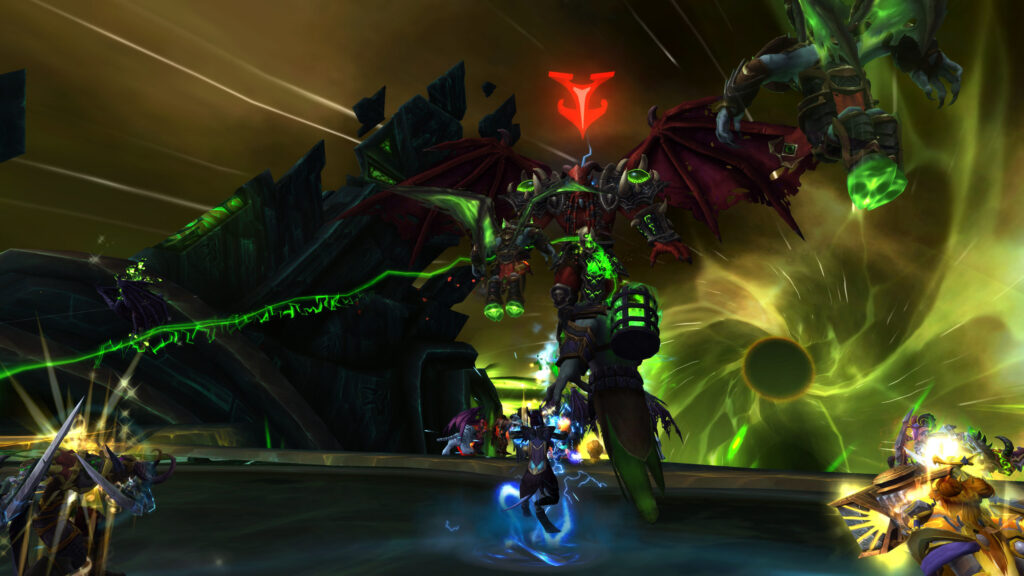
Blizzard’s best expansions—like Wrath of the Lich King, Mists of Pandaria, and Shadowlands—embraced this complexity. Each asked uncomfortable questions about justice, identity, and redemption, proving that ambiguity breeds longevity in storytelling.
The Danger of Losing the Gray
When stories regress into clear moral binaries, they lose emotional weight. Pure evil feels distant; pure good feels dull. Some of Warcraft’s weaker arcs suffered from over-simplification, turning nuanced conflicts into predictable morality plays.
The strength of Warcraft lies in discomfort—in forcing players to empathize with flawed characters, even when they disagree. That friction keeps the world alive, dynamic, and worthy of debate.
Conclusion
Warcraft’s lore thrives on imperfection. Its characters live and die in the moral gray where conviction and consequence collide. By embracing ambiguity, Blizzard ensures that every victory feels earned, every tragedy feels personal, and every story invites interpretation.
In a universe of gods, demons, and heroes, the greatest battles aren’t fought for power—they’re fought for understanding. And that’s what keeps Azeroth’s stories alive generation after generation.

Leave a Reply