

PvP participation levels respond almost immediately to changes in seasonal rewards. When new incentives are introduced or adjusted, queue activity shifts within days as players reassess whether the effort matches the payoff. Rewards shape not only motivation, but also who queues, how often, and for how long.
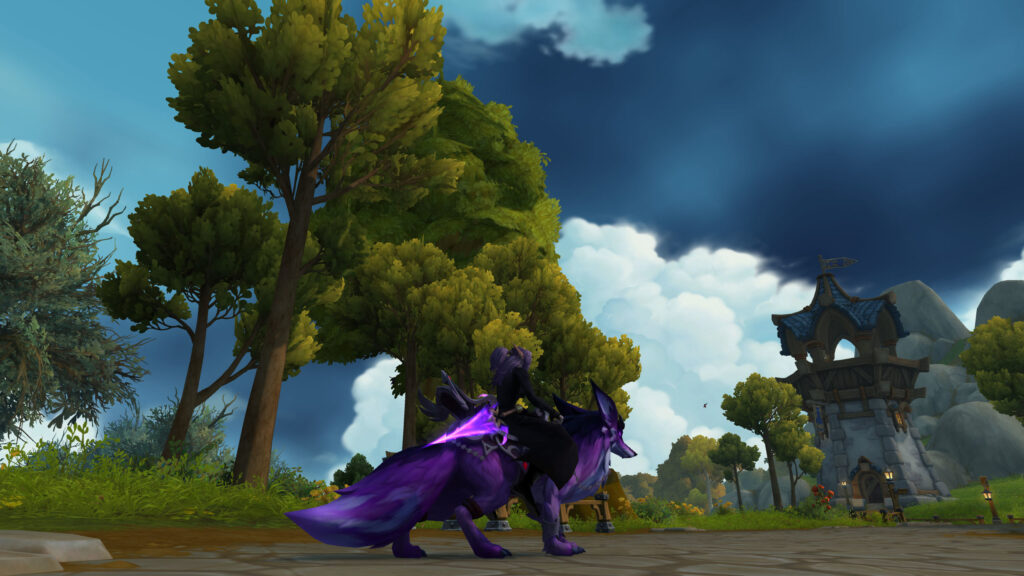
New Rewards Trigger Early-Season Surges
At the start of a season, fresh mounts, titles, cosmetics, or progression tracks drive a noticeable spike in queue participation. Players are most active when rewards feel attainable and clearly defined. This early surge sets the tone for the competitive environment.
Mid-Season Adjustments Shift Player Behavior
Buffs to rewards or lowered requirements often reignite interest among players who stepped away. Conversely, perceived reward stagnation can lead to rapid drop-offs. PvP participation remains highly sensitive to incentive tuning.
Perceived Value Matters More Than Prestige
Players respond strongest to rewards that feel meaningful and achievable. Even prestigious rewards lose impact if they seem out of reach. Clear progression and visible milestones sustain queue health better than exclusivity alone.
| Reward Change | Player Reaction | Queue Impact |
|---|---|---|
| New seasonal rewards | High engagement | Queue surge |
| Improved reward pacing | Renewed interest | Stabilized activity |
| Stagnant incentives | Reduced motivation | Queue decline |
| Catch-up additions | Returning players | Broader participation |
Reward Design Shapes Ladder Health
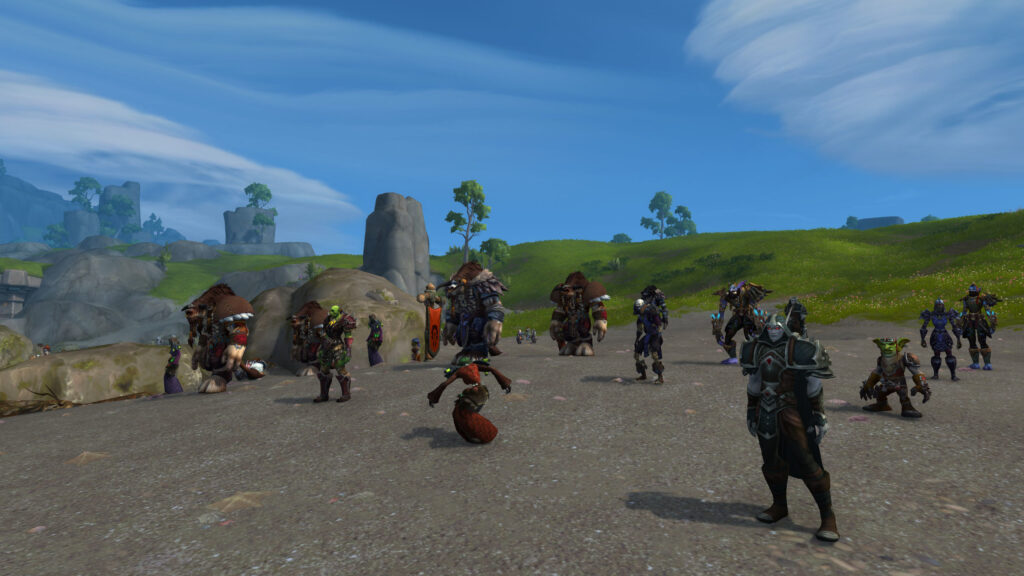
Healthy participation depends on rewards that scale with effort across the ladder. When incentives support both casual and competitive goals, queues remain populated and matchmaking quality improves.
Conclusion
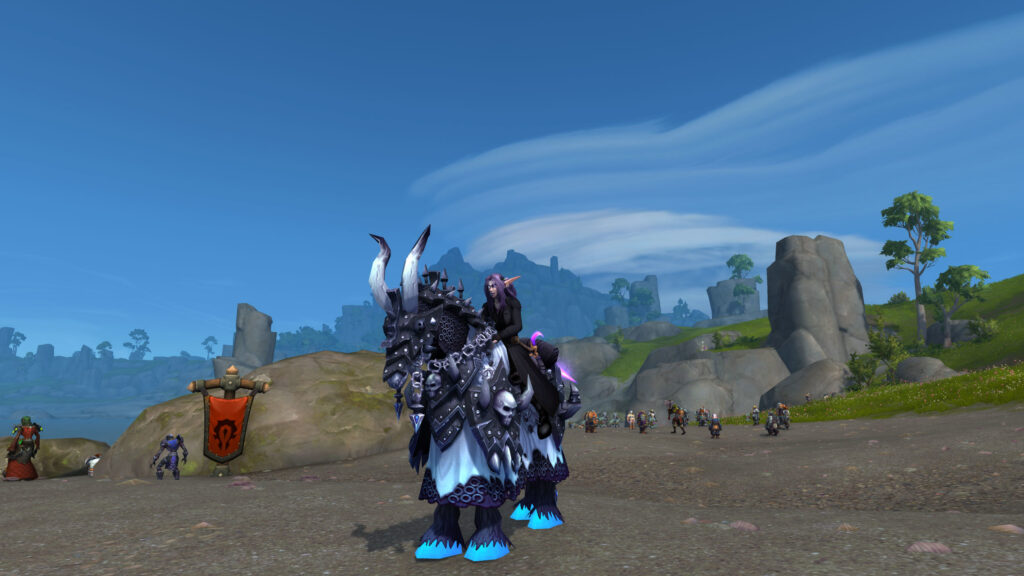
PvP queue participation reacts quickly to seasonal reward changes. Clear, appealing incentives drive engagement, while poor reward pacing leads to immediate decline. Reward design remains one of the strongest levers for sustaining competitive activity.



Leave a Reply